
Can cats eat rhubarb?
No: toxic
No, it is toxic. Rhubarb leaves hold dangerous levels of oxalate, and ASPCA lists the plant as toxic to cats.
On this page
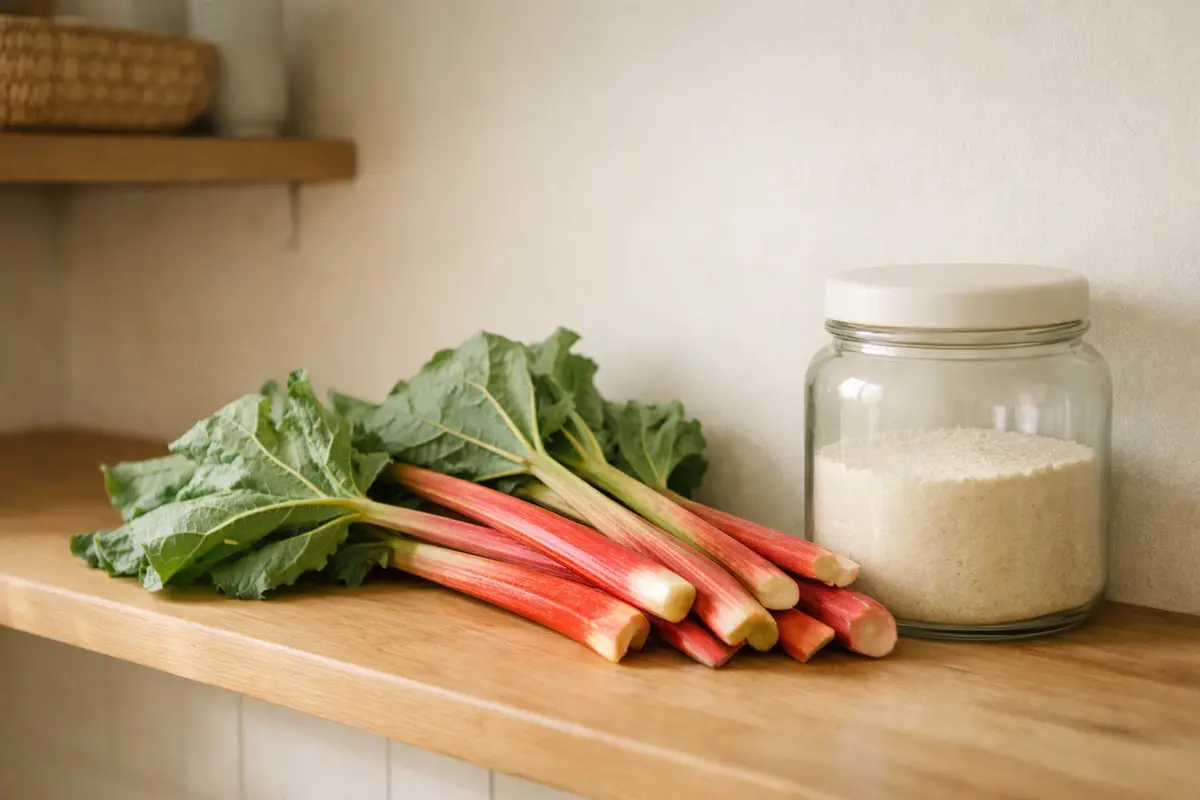
Pet Poison Helpline says the leaves of rhubarb carry soluble oxalate, also called oxalic acid, at dangerous concentrations, and it harms pets in several ways. The same page notes that the stalks used in jams and pies have very little soluble oxalate and are nontoxic. ASPCA, though, lists rhubarb (also called pie plant) as toxic to cats, and nothing here recommends feeding it. The Pet Poison Helpline page speaks of pet animals in general.
Why it is a problem for cats
- Oxalate in the greens can cause vomiting and drooling.
- Neurological signs such as weakness and trembling are possible.
- It can lower blood calcium and injure the kidneys, with calcium oxalate crystals in urine.
- The ASPCA plant list names rhubarb as toxic to cats.
If your cat ate rhubarb
Note whether your cat ate leaves or stalks, how much, and when, and keep a piece of the plant. Call your veterinarian, an emergency vet, ASPCA Animal Poison Control or Pet Poison Helpline. Because kidney injury is among the effects the source lists, report any drooling, weakness, trembling or changes in urination.
Signs the sources say to watch for:
- vomiting
- drooling
- weakness
- trembling
- excessive urination
Phone numbers: your own vet or the nearest emergency vet first, or ASPCA Animal Poison Control at (888) 426-4435 and Pet Poison Helpline at (855) 764-7661, both open around the clock. Pet Poison Helpline says an incident fee applies to its calls.
In the sources' words
“Soluble oxalate/oxalic acid are toxic compounds found in dangerous concentrations within Rhubarb greens or leaves.”
“Rhubarb stalks, used in making rhubarb jams and pies, contain very little soluble oxalate and are nontoxic.”
Questions
Are rhubarb stalks safe for cats?
Pet Poison Helpline calls the stalks used in jams and pies nontoxic because they have little soluble oxalate. ASPCA still lists the rhubarb plant as toxic to cats, and no source recommends feeding it, so keep cats away from the whole plant.
Which part is the most dangerous?
Pet Poison Helpline points to the greens or leaves, where soluble oxalate is found in dangerous concentrations. A cat that has chewed leaves should be seen by a vet or discussed with a poison line.
How this page was checked
Everything above comes from the 2 pages listed under Sources, which we saved on November 11, 2026 and keep on file. The wording is ours; the quotes are copied exactly, and a test checks each one against the saved page. Nothing here is a dose or a home remedy, and no amount is given as safe for every cat: size, age and health change the answer, so a cat with a medical condition or a special diet should get a vet's go-ahead first.
A food missing from our A to Z list has not been cleared as safe. For the full lists behind these pages, see people foods and cats and toxic plants for cats.
Sources
- Pet Poison Helpline, Rhubarb petpoisonhelpline.com
- ASPCA, Toxic and Non-Toxic Plant List: Cats aspca.org