
Can cats eat xylitol?
No: toxic
No, it is toxic. Xylitol can cause low blood sugar and liver damage in pets, though Pet Poison Helpline's page is about dogs.
On this page
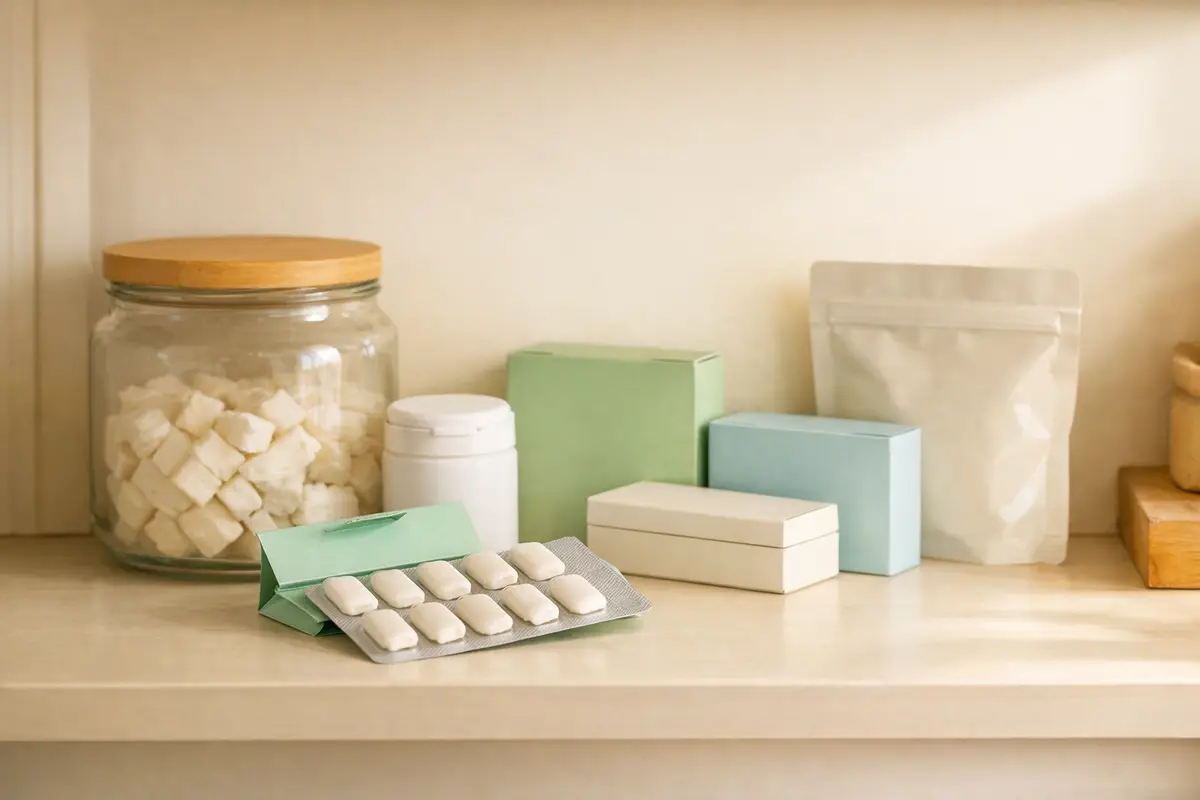
Xylitol is a sweetener found in gum, candy, baked goods and toothpaste, and ASPCA says it can cause low blood sugar and potentially liver damage depending on the amount. ASPCA writes about pets, not dogs only, while Pet Poison Helpline's xylitol page is titled for dogs and refers to pets in its text. Check labels on sugar-free products, because the sources show xylitol in far more places than gum.
Why it is a problem for cats
- ASPCA says xylitol can cause low blood sugar and potentially liver damage depending on the amount eaten.
- Pet Poison Helpline says a large enough dose can cause dangerous low blood sugar within minutes, and sudden liver failure.
- Xylitol content varies widely, even between flavors of one gum brand, so the label alone may not tell you how much a product holds.
If your cat ate xylitol
Call right away: your veterinarian, an emergency vet, ASPCA Animal Poison Control at (888) 426-4435 or Pet Poison Helpline. Pet Poison Helpline asks owners to phone as soon as possible if a pet has eaten a product containing xylitol. Keep the packaging and note the product, how much was eaten and when, as the amount of xylitol differs between products.
Signs the sources say to watch for:
- vomiting
- lethargy
- loss of coordination
- seizures
- low blood sugar
- liver damage
Phone numbers: your own vet or the nearest emergency vet first, or ASPCA Animal Poison Control at (888) 426-4435 and Pet Poison Helpline at (855) 764-7661, both open around the clock. Pet Poison Helpline says an incident fee applies to its calls.
In the sources' words
“Xylitol can cause low blood sugar (hypoglycemia) and potentially liver damage depending on the amount ingested.”
“If you suspect your pet has eaten a product containing xylitol, call your veterinarian or Pet Poison Helpline® for assistance as soon as possible.”
Questions
Which products contain xylitol?
ASPCA names gum, candy, baked goods and toothpaste. Pet Poison Helpline adds mints, pudding, gelatin snacks, sauces, jams, oral rinses, chewable supplements, nasal sprays and more, and says amounts differ widely between products.
Does the source say xylitol is dangerous to cats?
ASPCA describes its effects on pets in general. Pet Poison Helpline's page is titled for dogs but says to call if your pet ate a xylitol product. Neither source separates cats out, and neither calls it safe.
How this page was checked
Everything above comes from the 2 pages listed under Sources, which we saved on November 11, 2026 and keep on file. The wording is ours; the quotes are copied exactly, and a test checks each one against the saved page. Nothing here is a dose or a home remedy, and no amount is given as safe for every cat: size, age and health change the answer, so a cat with a medical condition or a special diet should get a vet's go-ahead first.
A food missing from our A to Z list has not been cleared as safe. For the full lists behind these pages, see people foods and cats and toxic plants for cats.
Sources
- ASPCA, People foods to avoid feeding your pets aspca.org
- Pet Poison Helpline, Xylitol petpoisonhelpline.com