
Can dogs eat cheese?
Only a little
Only a little. Many dogs tolerate cheese in small bites, but it is fatty and some dogs are lactose intolerant.
On this page
AKC says dogs can eat cheese, and it works well as a training reward, yet some dogs are intolerant and even tolerant ones should have it in moderation. The concerns are fat, which can lead to weight gain and pancreatitis, plus lactose and added ingredients such as garlic, onions or chives. Lower-fat choices are better. ASPCA also notes that pets lack much lactase, so dairy can cause diarrhea or other digestive upset.
What is good about it
- Cheese offers protein, calcium, vitamin A, B-complex vitamins and essential fatty acids.
- It is a popular training reward and can hide pills for dogs on medication.
Risks to know
- High fat can cause weight gain and obesity, and may lead to pancreatitis, which can be serious and even fatal.
- Some cheeses contain garlic, onions or chives, which are toxic to dogs.
- Dogs with severe lactose intolerance can react even to small amounts.
- ASPCA says pets have little lactase, so dairy can cause diarrhea or digestive upset.
How to serve cheese to a dog
- Choose lower-fat types such as mozzarella or soft goat cheese.
- Cottage cheese has less fat, sodium and lactose than other cheeses.
- Offer cheese only as an occasional treat.
- Watch closely for intestinal upset the first time.
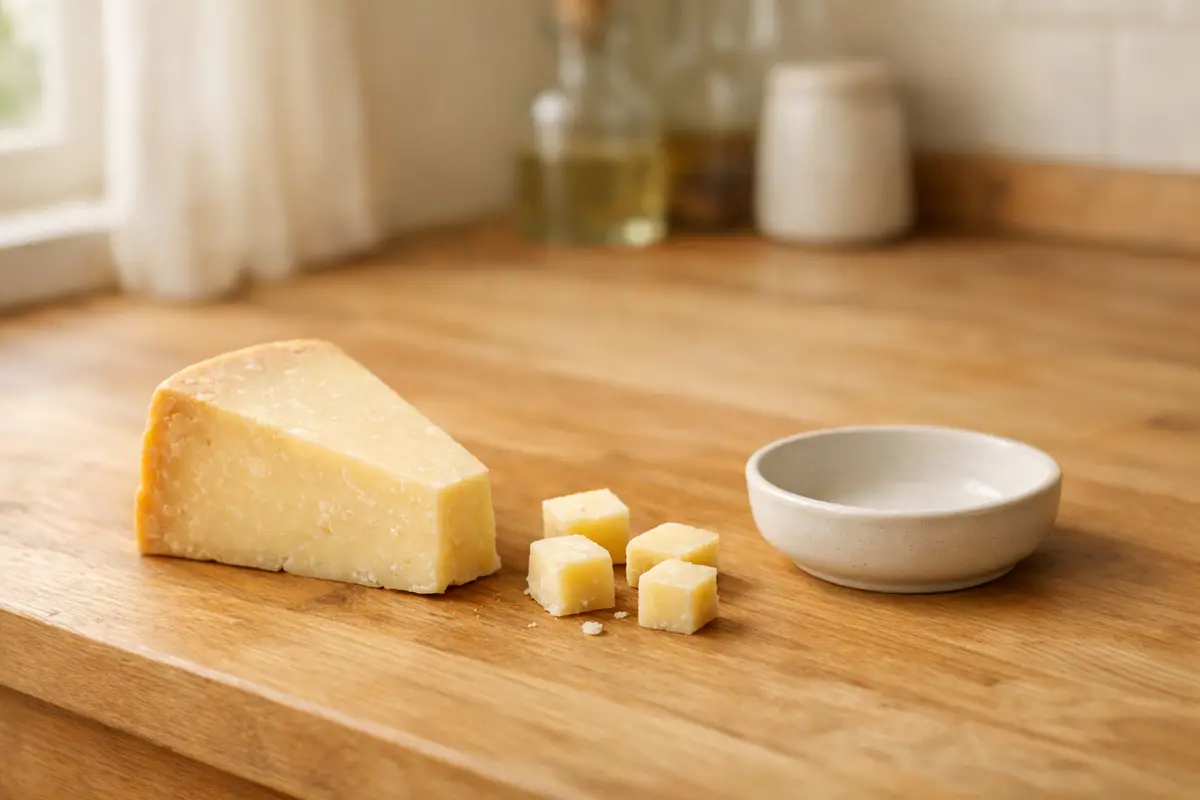
How much: AKC says a small cube or a few shreds usually covers a training session or reward.
If your dog ate cheese
If your dog ate a lot of cheese, or cheese containing garlic, onions or chives, note the type, amount and time. Watch for intestinal upset and call your vet if it appears. For flavored cheese, call your veterinarian, an emergency vet, ASPCA Animal Poison Control or Pet Poison Helpline. AKC says to ask your vet before offering cheese if your dog is obese or has food sensitivities.
Signs the sources say to watch for:
- intestinal upset
- diarrhea
- digestive upset
Phone numbers: your own vet or the nearest emergency vet first, or ASPCA Animal Poison Control at (888) 426-4435 and Pet Poison Helpline at (855) 764-7661, both open around the clock. Pet Poison Helpline says an incident fee applies to its calls.
In the sources' words
“Cheese is high in fat, and feeding too much to your dog regularly can cause weight gain and lead to”
“A small cube or a few shreds is usually enough for training or as a reward.”
“Because pets do not possess significant amounts of lactase (the enzyme that breaks down lactose in milk), milk and other dairy-based products can cause diarrhea or other digestive upset.”
Questions
What is the best cheese for dogs?
AKC recommends the low-fat kinds: mozzarella, soft goat cheese and cottage cheese. Cottage cheese is lower in fat, sodium and lactose than other cheeses, which reduces the likelihood of obesity and intestinal upset.
Can lactose-intolerant dogs have cheese?
Cheese has little lactose compared with whole milk, but AKC says dogs with severe lactose intolerance may react even to small quantities. Observe your dog after the first taste and ask your vet if unsure.
How this page was checked
Everything above comes from the 2 pages listed under Sources, which we saved on November 11, 2026 and keep on file. The wording is ours; the quotes are copied exactly, and a test checks each one against the saved page. Nothing here is a dose or a home remedy, and no amount is given as safe for every dog: size, age and health change the answer, so a dog with a medical condition or a special diet should get a vet's go-ahead first.
A food missing from our A to Z list has not been cleared as safe. For the full lists behind these pages, see toxic foods for dogs and toxic plants for dogs.