
Can dogs eat turkey?
Only a little
Yes, but only plain, skinless, boneless meat. Seasoned holiday turkey and cooked bones are not safe.
On this page
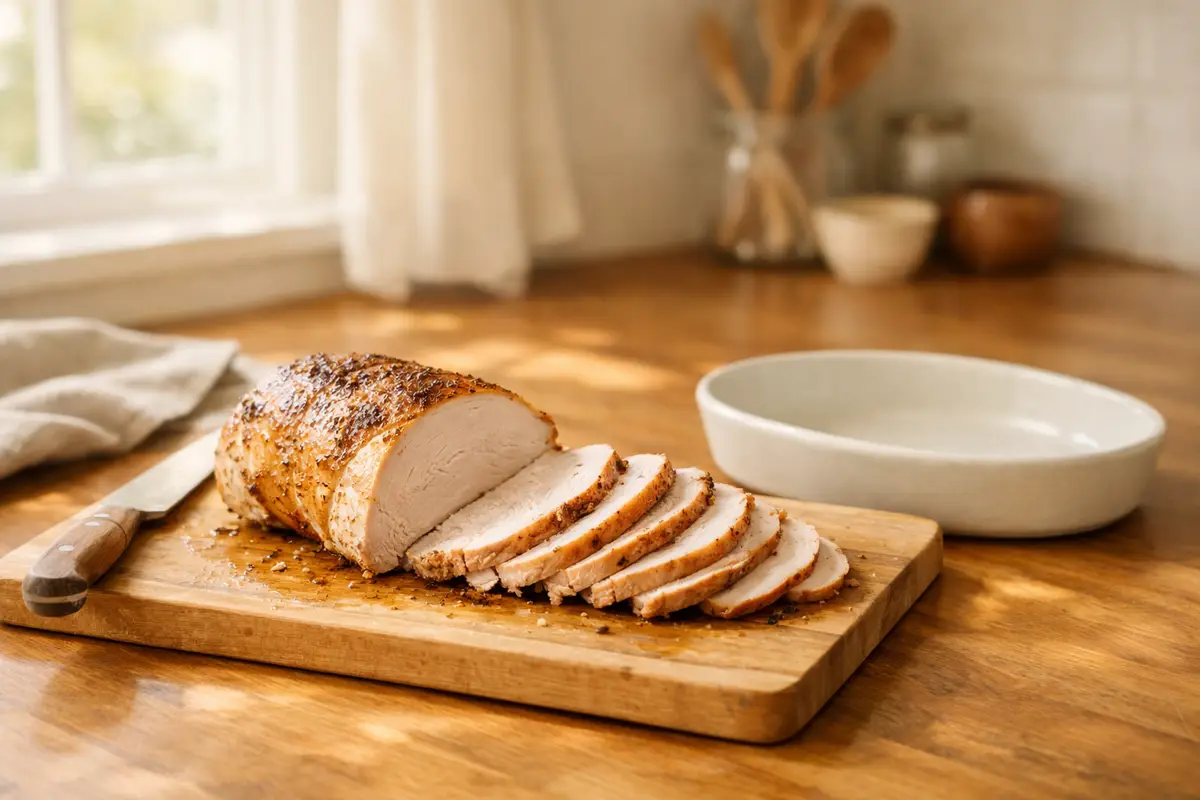
Turkey is not inherently toxic and appears in many dog foods. Plain cooked meat can be a wholesome part of a homemade diet under your vet's guidance. Holiday turkey is another story: butter, oil, salt, spices and stuffing ingredients like onion and garlic can cause digestive upset, pancreatitis or toxicity. Skin and cooked bones should be left out, and portions kept small and treat-like.
What is good about it
- AKC says turkey is rich in protein, riboflavin and phosphorus.
Risks to know
- Skin, butter or oil add fat that can cause pancreatitis, and seasonings can irritate the stomach.
- Onion is toxic, and garlic can be too in large amounts.
- Cooked poultry bones are brittle and can injure the mouth, block the throat or intestines, cause choking, constipation or rectal bleeding.
- Raw meaty turkey bones carry a risk of bacteria like salmonella, so talk to your vet first.
- Regular table scraps can lead to obesity, which AKC links to diabetes, hypertension and joint stress.
How to serve turkey to a dog
- Cook the turkey plain, without salt, fat or seasonings.
- Remove the skin.
- Feed meat only, checking for onions, garlic or other aromatics mixed in.
- Check there are no cooked bones attached.
- Keep portions small, and ask your vet first if a health condition such as diabetes is involved.
How much: AKC says to keep turkey portions small and more like a treat.
If your dog ate turkey
If your dog ate cooked turkey bones, skin, stuffing or seasoned meat, note what and how much and call your vet or an emergency vet. AKC lists mouth injuries, obstruction, choking and rectal bleeding as bone risks. If it had onion or garlic, contact ASPCA Animal Poison Control or Pet Poison Helpline as well.
Signs the sources say to watch for:
- stomach upset
- choking
- rectal bleeding
Phone numbers: your own vet or the nearest emergency vet first, or ASPCA Animal Poison Control at (888) 426-4435 and Pet Poison Helpline at (855) 764-7661, both open around the clock. Pet Poison Helpline says an incident fee applies to its calls.
In the sources' words
“Turkey isn’t inherently toxic to dogs.”
“Cooked poultry bones are brittle. This, combined with their smaller size, makes them very dangerous for dogs.”
“Feed your dog small portions of turkey meat.”
Questions
Can dogs eat turkey bones?
AKC says cooked poultry bones are brittle and very dangerous for dogs, and vets caution against any cooked bones. Some owners feed raw meaty turkey necks with vet guidance, though these carry a bacteria risk.
Can dogs eat turkey skin?
AKC advises removing the skin. Too much fat from skin, plus butter or oil used for roasting or frying, is dangerous, and high fat content can cause pancreatitis.
How this page was checked
Everything above comes from the page listed under Sources, which we saved on November 11, 2026 and keep on file. The wording is ours; the quotes are copied exactly, and a test checks each one against the saved page. Nothing here is a dose or a home remedy, and no amount is given as safe for every dog: size, age and health change the answer, so a dog with a medical condition or a special diet should get a vet's go-ahead first.
A food missing from our A to Z list has not been cleared as safe. For the full lists behind these pages, see toxic foods for dogs and toxic plants for dogs.