
Can cats eat alcohol?
No: toxic
No, it is toxic. Even licks of beer, wine or a mixed drink can cause nervous system and stomach signs in cats.
On this page
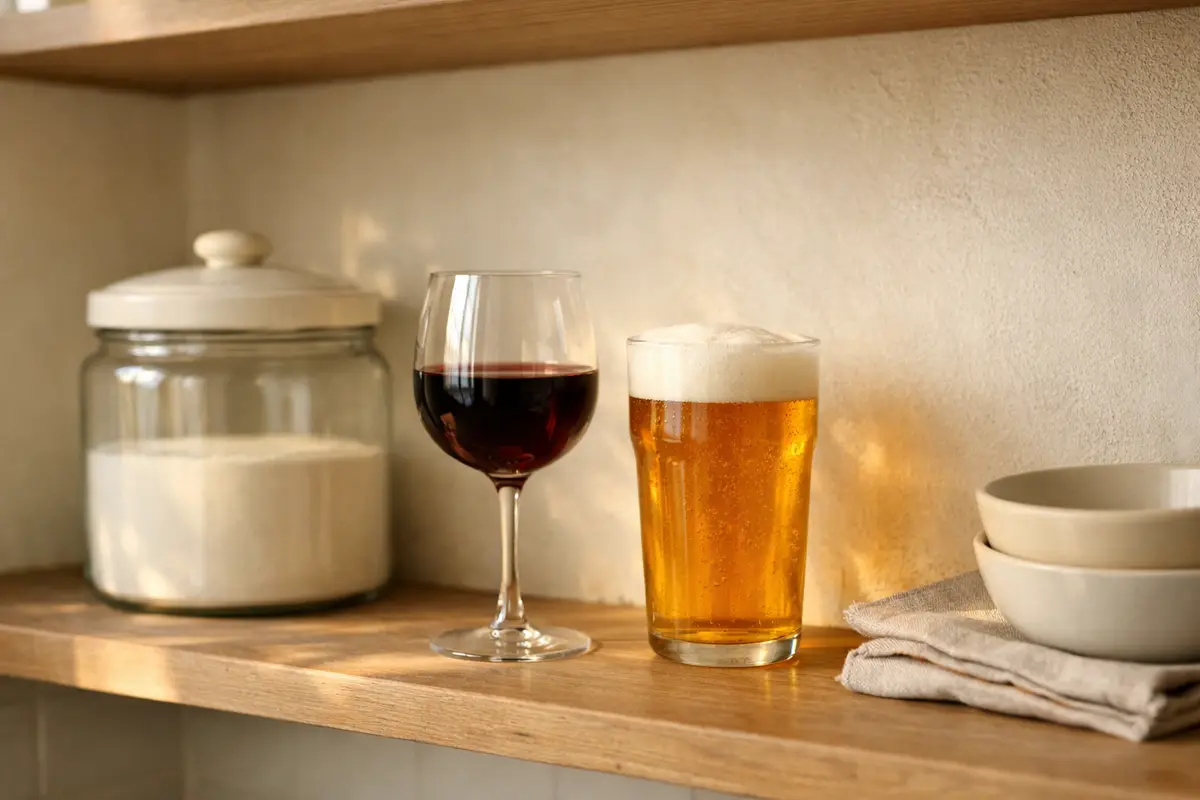
Pet Poison Helpline lists alcohol as a risk for both dogs and cats, and it counts licks of mixed drinks, beer or wine as a way exposure happens. Liquor-filled candies and raw yeast dough are also named as sources. ASPCA Poison Control puts alcohol on its list of people foods to avoid, and warns that it is absorbed quickly. Neither source offers a safe amount for a cat, so the safest plan is to keep every drink and alcohol-containing food out of reach.
Why it is a problem for cats
- Pet Poison Helpline says alcohol intoxication in dogs and cats can start quickly, with lethargy and trouble walking.
- Stomach upset such as vomiting is also listed.
- ASPCA adds diarrhea, depression, breathing difficulty, tremors, shifts in blood pH, coma and even death to the list for pets.
- Candies with liquor centers and raw bread dough made with yeast can also lead to alcohol exposure.
If your cat ate alcohol
Note what your cat got into, roughly how much, and when, and keep the bottle, can or food label to hand. Then call your veterinarian, an emergency vet, ASPCA Animal Poison Control or Pet Poison Helpline right away. ASPCA stresses that alcohol is absorbed rapidly, so prompt veterinary attention matters. Tell the person you speak to about any signs you have noticed.
Signs the sources say to watch for:
- lethargy
- difficulty walking
- vomiting
- diarrhea
- difficulty breathing
- tremors
Phone numbers: your own vet or the nearest emergency vet first, or ASPCA Animal Poison Control at (888) 426-4435 and Pet Poison Helpline at (855) 764-7661, both open around the clock. Pet Poison Helpline says an incident fee applies to its calls.
In the sources' words
“Clinical signs of alcohol intoxication in dogs and cats includes rapid onset of neurological signs including lethargy and difficulty walking (ataxia)”
“Alcohol is rapidly absorbed after ingestion”
Questions
Can cats eat food made with alcohol?
ASPCA warns against alcoholic beverages and food products containing alcohol, and Pet Poison Helpline names liquor-center candies and raw yeast dough as ways pets are exposed. Treat any dish, dessert or candy that contains alcohol as something to keep away from your cat.
Is a lick of beer or wine a problem for a cat?
Pet Poison Helpline says pets can be exposed by taking licks of mixed drinks, beer or wine. Its page does not set a safe threshold for cats, so it is best to keep glasses covered and call a vet or poison line if a cat has had some.
How this page was checked
Everything above comes from the 2 pages listed under Sources, which we saved on November 11, 2026 and keep on file. The wording is ours; the quotes are copied exactly, and a test checks each one against the saved page. Nothing here is a dose or a home remedy, and no amount is given as safe for every cat: size, age and health change the answer, so a cat with a medical condition or a special diet should get a vet's go-ahead first.
A food missing from our A to Z list has not been cleared as safe. For the full lists behind these pages, see people foods and cats and toxic plants for cats.
Sources
- Pet Poison Helpline, Alcohol petpoisonhelpline.com
- ASPCA, People foods to avoid feeding your pets aspca.org